
What Materials Are Most Often Used for Residential Roofs in Macedon, NY?
Local residents see several primary roofing choices on homes throughout the city: asphalt shingles, metal roofing, wood shakes, slate, and synthetic products. Each option can meet building codes and handle seasonal weather, but the right fit depends on budget, style goals, and how much maintenance is realistic for the household.
Are Asphalt Shingles a Good Choice Given Macedon’s Weather?
Asphalt shingles are the most common roofing material in the area, largely due to their affordability and reliability in varied upstate New York weather.
*Advantages*:
- Generally, they withstand heavy snow and rain well.
- Repairs are simpler and less expensive than with many other materials.
- Available in multiple colors and profiles to suit most homes.
*Drawbacks*:
- Lifespan is typically 15–25 years, shorter than other options.
- Susceptible to high wind damage, particularly if not installed well.
- Can grow algae in damp, shady spots—common in older, tree-lined neighborhoods.
Some residents expect their roof to last much longer and are surprised by how frequently replacement is necessary compared to metal or slate coverings.
How Do Metal Roofs Perform Locally?
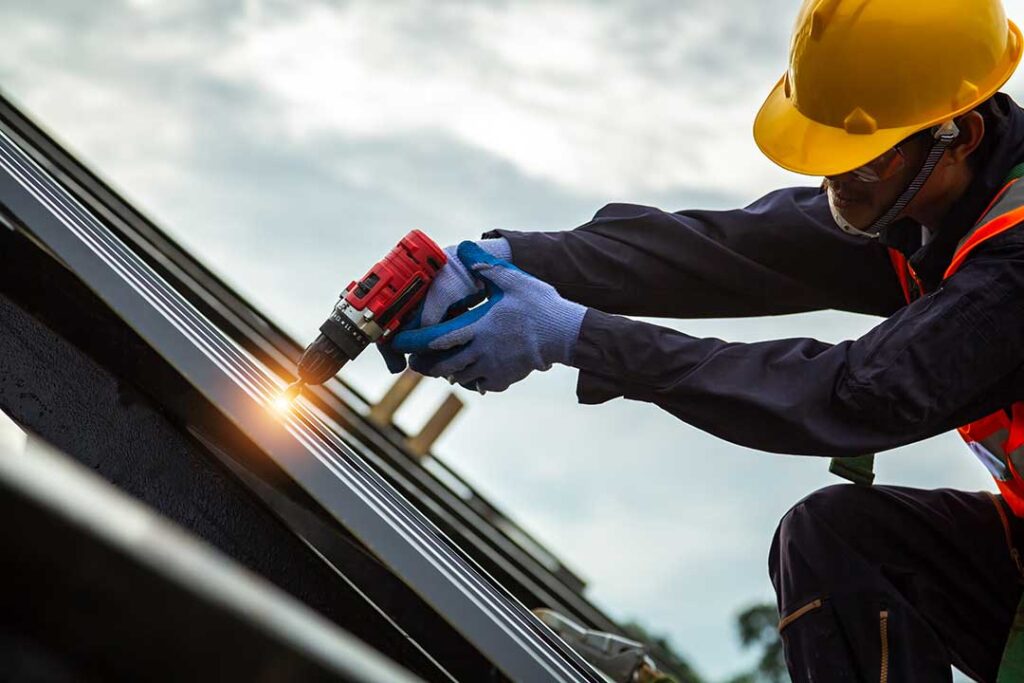
Metal roofing—like standing seam steel or aluminum panels—is gaining popularity due to its durability and energy efficiency.
*Advantages*:
- Handles heavy snow, ice, and rain without absorbing moisture.
- Often lasts 40–70 years with little maintenance.
- Sheds snow more easily, which can reduce ice dam risk in Macedon winters.
- Reflects summer sun, sometimes lowering cooling bills.
*Drawbacks*:
- Initial costs can be two to three times higher than asphalt shingles.
- Can be noisy during rain or hail unless additional underlayment is used.
- Dents from hail or falling branches may occur (though small hail usually isn’t an issue).
Some homeowners think metal means “industrial,” but modern panels can match traditional neighborhood aesthetics.
Are Wood Shakes or Shingles a Viable Option in the City?
Wood shakes and shingles offer a classic look, especially on older homes or cottages near wooded areas, but they present real challenges.
*Advantages*:
- Distinctive, natural appearance that stands out in the community.
- Naturally insulating: keeps attics cooler in summer, warmer in winter.
*Drawbacks*:
- Require regular treatment to prevent moss, mildew, and decay—especially in humid or shady Macedon terrain.
- Fire risk is higher unless treated with fire retardants.
- Cost is typically much higher than asphalt, similar to metal or higher.
Some believe wood is maintenance-free since it’s natural, but humid summers and icy winters can lead to deterioration without attention.
What About Slate Roofs—Are They Worth the Investment Locally?
Slate roofs are rare and generally seen on historic homes or larger houses.
*Advantages*:
- Nearly unparalleled longevity; some slate roofs last over a century.
- Very low maintenance.
- Non-combustible and resistant to rot, insects, and weather.
*Drawbacks*:
- One of the most expensive roofing materials available.
- Heavy weight: not all local homes are designed to support slate without additional structural reinforcement.
- Repair can be challenging and requires specific expertise.
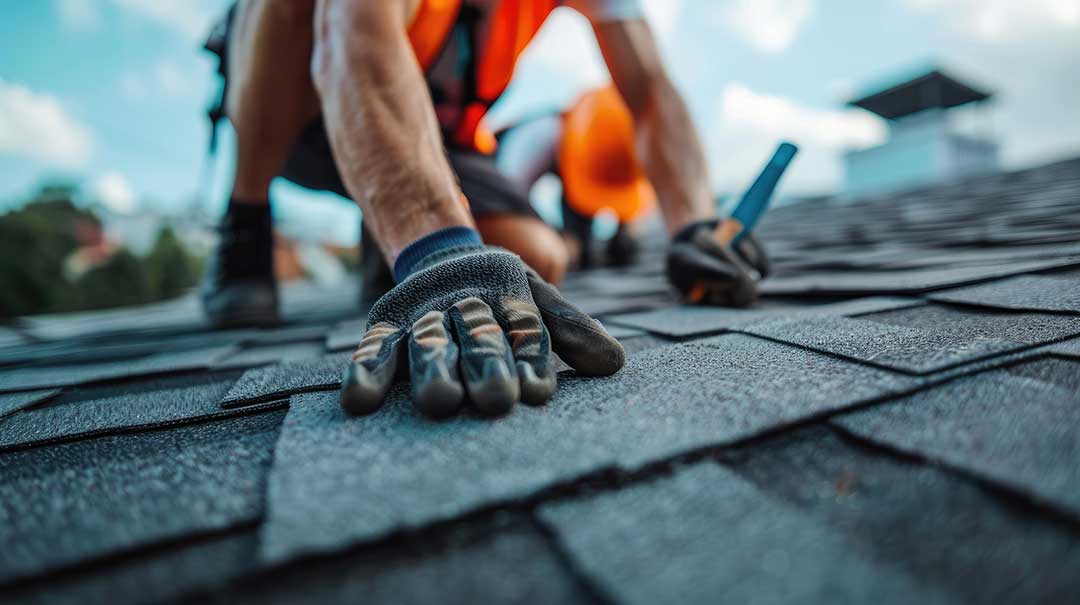
Residents sometimes overestimate how “indestructible” slate is. While durable, falling limbs or foot traffic can crack or dislodge tiles.
Are Synthetic Roofing Materials a Smart Alternative in This Region?
Synthetic roofing products (like polymer, rubber, or composite shingles that mimic slate or shake) address some of the maintenance issues of natural materials.
*Advantages*:
- Lighter weight than real slate or wood.
- Often more affordable than natural stone or cedar shakes.
- Designed for resistance to local weather extremes—some withstand wind, hail, and freeze-thaw cycles well.
*Drawbacks*:
- Longevity data is less proven; some products are relatively new to the market.
- Can cost more than asphalt, though less than natural slate or metal.
- Not all synthetic options look convincingly like the real materials up close.
Area households weighing these options should confirm materials meet local building codes and performance standards for Macedon’s seasonal swings.
What Common Issues or Misconceptions Do Residents Have?
Homeowners sometimes expect a particular roof type to be maintenance-free, but all materials require upkeep.
- Even so-called “lifetime” roofs need periodic inspection, gutter cleaning, and minor repairs.
- Ice dams are a risk for all roof types if attic insulation or ventilation is insufficient.
- Not every old roof must be replaced after the first sign of moss, missing shingles, or a single leak—often, repair is possible.
Snow weight, freeze-thaw cycling, and wind can strain even the best products, so design choices and attic ventilation matter as much as surface material. It’s also a misconception that heavier materials always mean better protection; balance with the structural capacity of the building is just as important.
How Should Residents Choose the Right Roofing Material?
There isn’t a universal “best” option for every Macedon household. Consider these local factors:
- Budget: Upfront cost, ongoing maintenance, and potential longevity.
- Style: Historical or unique aesthetics versus blending into the neighborhood.
- Building structure: Not all homes can support the weight of heavy roofing.
- Tolerance for maintenance: Wood and even shaded asphalt roofs need routine care; metal and synthetic options usually need less.
- Weather: Materials should withstand snow, ice, rain, and seasonal temperature swings typical in Macedon.
Most households find making an informed choice—factoring in both appearance and practicality—leads to a roof that serves both function and style for many years.
