
What Are Mold and Mildew, and Why Do They Grow on Roofs in Macedon, NY?
Mold and mildew are forms of fungi that thrive in damp, shaded, or humid environments. In communities like Macedon, NY, where winters are snowy and summers are humid, these conditions can occur on residential roofs more often than homeowners might realize. Mold appears as dense, fuzzy, or powdery spots—often black, green, or brown—while mildew typically looks like patches of gray or white flat growth. Both can degrade roofing materials and shorten a roof’s lifespan.
Roofs in Macedon may be particularly vulnerable after long periods of wet weather, especially if shaded by trees or surrounded by foliage. Local housing patterns, such as older architectural styles with low-slope roofs or heavily treed lots, can create microclimates that encourage fungal growth. Neighborhoods with mature landscaping or homes near water can also experience higher moisture retention, increasing the risk.
How Can Macedon Residents Spot Mold and Mildew on Their Roofs?
To determine if roof discoloration is caused by mold or mildew, residents should look for certain telltale signs visible from the ground or during a safe inspection from a sturdy ladder:
- Dark streaks or patches: Black streaks are a common fungal sign, often mistaken for dirt or normal wear. If these stains seem to spread or darken after damp weather, mold may be the cause.
- Green or brown spots: Algae, moss, or mold growth can create greenish or earthy-colored patches, especially on shingles that stay damp longer than surrounding areas.
- Powdery or fuzzy texture: While not always easy to see from the sidewalk, mold and mildew typically create a different texture compared to worn-out granules or ordinary leaf debris.
- Growth around shaded or north-facing areas: These sides of a roof in Macedon see less sunlight, so moisture evaporates more slowly—ideal conditions for mold and mildew.
If the question is whether mold and mildew are hazardous, the chief concerns are premature roof aging, possible leaks from shingle degradation, and in rare cases, spores entering living spaces if attics are poorly ventilated.
Can Mold and Mildew Be Confused With Other Roof Problems?
Not everything that looks like roof mold in Macedon is fungal growth. Homeowners sometimes mistake the following for mold and mildew:
- Tree pollen or leaf stains: Especially in spring or fall, yellowish or brownish stains can develop, but these often wash away after rain.
- Old shingle granules: Shingles naturally lose granules over time, appearing as discolored or rough patches. These areas generally feel gritty, not like powdery mold.
- Moss: Although moss and mold like similar environments, moss has a sponge-like, furry texture, while mildew looks flatter and patchier.
Regular roof observation—especially after seasonal storms or wind-driven rain—can help distinguish between temporary organic debris and persistent fungal spots.
How Does Weather in Macedon, NY Influence Roof Fungus Growth?
Seasonal cycles have a direct role in how mold and mildew establish themselves on area roofs. Macedon’s climate brings heavy snow and ice during winter, creating persistent moisture as snow melts and refreezes. Warmer months bring humidity and frequent rainstorms, which can soak shaded shingles for days.
Some underlying factors affected by local weather include:
- Prolonged shade from mature trees—common in historic neighborhoods—leading to slow-drying areas.
- Freeze-thaw cycles that open microscopic cracks, allowing spores to take hold.
- High pollen counts or leaf debris in spring and fall, which trap moisture on the roof surface.
Attics with poor ventilation or older roofs lacking moisture barriers are more susceptible, as are homes where gutters often clog and overflow.
What Are Practical Steps for Identifying Mold and Mildew Without Climbing on the Roof?
Safety comes first for area homeowners—many identification steps can and should be handled from the ground:
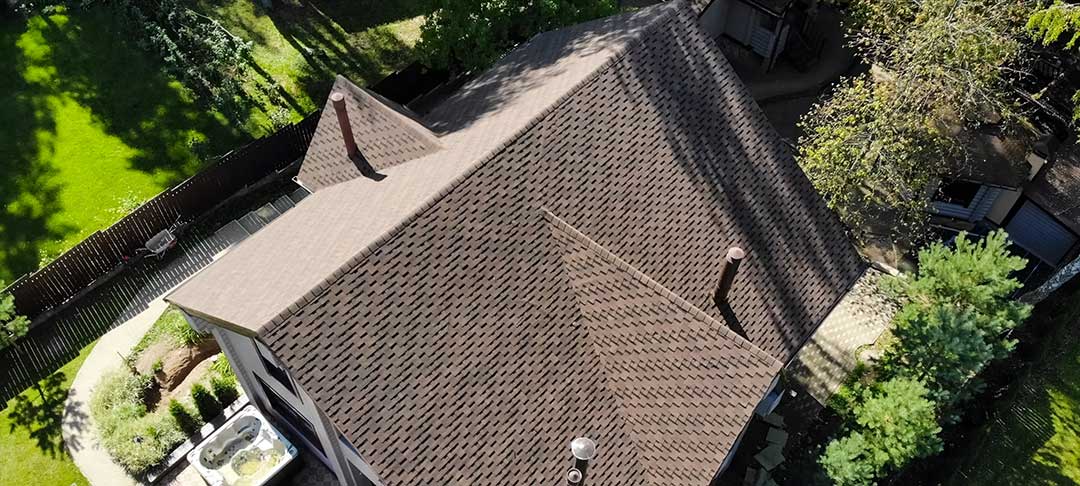
- Use a pair of binoculars to check high or difficult-to-reach roof slopes.
- Inspect the edges and eaves after rainfall to see if runoff highlights dark patches.
- Walk around the home on a sunny day and note any lingering damp spots after the rest of the roof has dried.
- Compare north-facing areas to south-facing ones; if only shaded areas collect streaks or patches over time, fungal growth is likely.
Inside the attic, a musty smell or darkened spots on the wood sheathing directly under the roof can be another sign—even if no visible mold is seen outside.
Are There Misconceptions Macedon Homeowners Have About Roof Mold and Mildew?
A frequent misconception is that all roof stains are just cosmetic and harmless. In reality, persistent fungal colonies can slowly eat away at the limestone in asphalt shingles, leading to brittleness and faster aging. Another myth is that power washing alone is a safe solution—harsh washing may dislodge granules or force water under shingles, creating more problems than it solves. Residents sometimes believe only old roofs develop these issues; in fact, even newer roofs in wooded or shaded streets can experience mold growth after a few seasons of wet weather.
Should Area Households Worry About Health Risks?
Most roof mold and mildew, when confined to the exterior, do not pose immediate health risks to household members. However, if dampness or mold inside the attic occurs—especially if ventilation is poor—there’s a chance spores could migrate into living spaces, possibly affecting those with allergies or respiratory sensitivities. Routine attic checks and maintaining a dry, ventilated roof structure are the most important precautions for local homes.
What Else Should Residents Know About Managing Roof Mold and Mildew in Macedon?
Long-term prevention typically involves:
- Trimming back overhanging tree branches to increase sunlight on the roof surface
- Keeping gutters and downspouts clear to improve drainage after storms
- Inspecting the attic regularly for dampness or mold odors, especially after wet winters or heavy summer rains
Addressing minor growth promptly can often avoid larger repairs or premature roof replacement. For especially steep or unsafe areas, or if black mold is visible inside attic spaces, it is sensible to seek help—safety is always a priority.
