

Why Might a Roof Inspection Be Needed?
A professional roof inspection provides a detailed assessment of your roof’s current condition. Local residents often request inspections after harsh weather, when planning home improvements, or simply to understand the lifespan of their roofing materials. Macedon's seasonal temperature swings, snow, and occasional storms make regular inspections a sensible way to prevent bigger issues.
What Happens During an Inspection?
A typical inspection involves a trained evaluator examining the roof’s structure, exterior surfaces, and components. This process is thorough, with close attention to local climate impacts—like freeze-thaw cycles that can amplify small cracks or loosen shingles.
Expect most inspections to cover:
- Shingle or roofing material condition—looked at for curling, missing, or damaged pieces
- Flashing and seals—checked especially around chimneys, skylights, and valleys
- Gutters and drainage—assessed for clogs and proper water flow
- Signs of moss, algae, or lichen growth, which are common in shaded or damp locations
- Mold, mildew, or rot in vulnerable spots
- Attic interior—monitored for leaks, moisture stains, or signs of poor ventilation
Local homes in the city often feature asphalt, metal, and occasionally slate tile roofs, each with inspection points unique to those materials.
How Long Does the Inspection Take?
Most single-family homes in the area can be inspected within 45 minutes to two hours. The exact time varies based on the roof’s size, complexity, and ease of access. If an attic needs to be checked or if a roof is particularly steep, expect a more detailed—and longer—visit.
Will the Inspector Go Inside the Home?
Often, a complete inspection includes a quick check of the attic space (if accessible). This allows the inspector to:
- Identify leaks, moisture, or water staining
- Check insulation for signs of dampness
- Look for daylight peeking through roof boards
- Spot evidence of mold or improper ventilation
Although not every situation requires entering the home, this step helps detect hidden problems that can go unnoticed from the exterior.
What Questions Should Residents Ask?
Homeowners preparing for an inspection may find these questions useful:
- What specific problems are common in the city, and are any present?
- How urgent are the issues found, if any?
- Are there minor repairs that could prevent future damage?
- What maintenance routine is recommended for this type of roof?
- Could local weather increase risks for certain materials or designs?
These questions help clarify not only present concerns but how to care for the roof long-term, considering Macedon’s changing weather conditions.
What Types of Problems Are Usually Found?
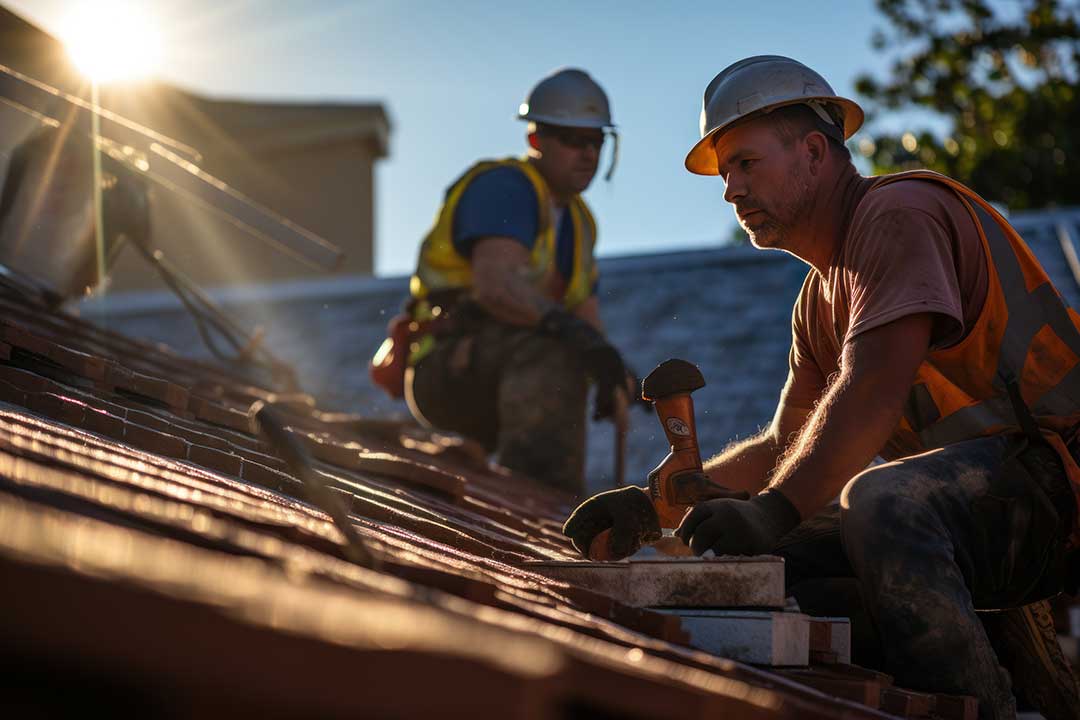
Routine roof inspections in the area most often uncover:
- Small cracks or lifted shingles from freeze-thaw cycles
- Nail pops due to temperature swings
- Clogged gutters, especially in fall with leaf debris
- Minor moss or algae growth on shaded side of roofs
- Worn or cracked flashing, particularly around roof penetrations like vents and chimneys
Structural issues—like sagging or rot—appear less often but may be found in older homes or where water has penetrated for an extended period.
What Happens After the Inspection?
Homeowners are typically provided with a written report detailing the roof’s condition, photos of any problem areas, and straightforward explanations of findings. The report should categorize issues by urgency—distinguishing between quick fixes versus larger repairs that could become costly if delayed.
In the city, where winter weather can arrive quickly, getting this information at the right time of year is particularly useful for planning projects during the dry, accessible months.
Are There Local Rules or Recommendations to Consider?
In Macedon, homeowners aren’t required by law to have roof inspections outside of real estate transactions or insurance claims, but many residents choose regular checks to avoid unexpected leaks. For homes in areas with more tree cover or older roofs, annual or biannual inspections are a common practice.
Additionally, it’s worth noting that some insurance policies may reward routine maintenance with premium reductions or expedited claims if you can demonstrate regular care.
What Are Common Misconceptions About Roof Inspections?
Some area residents believe roof inspections are only needed after a major storm or when obvious leaks appear. In reality, many problems build up slowly and can be caught early during a routine assessment. Another misconception is assuming newer roofs never need inspection. Even recent installations can suffer material defects or storm damage—especially in regions with strong seasonal shifts.
What Should Residents Do to Prepare?
Make the attic accessible if possible, and clear items away from attic entrances for safety. Trim overhanging branches to allow easier roof access. Have any previous inspection reports or repair records handy, as these may speed up the process and help the inspector spot patterns or recurring issues.
Understanding these steps ensures local homeowners know what to expect and how to get the most accurate view of their home’s roofing health.
