
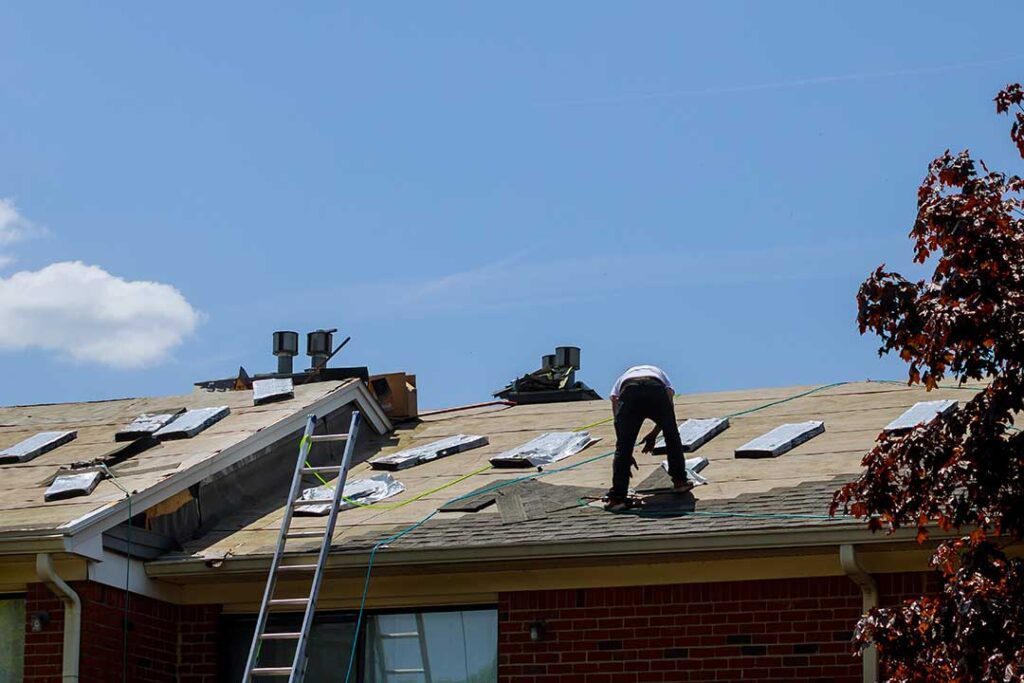
Winter roof preparation is mainly about preventing small problems from becoming leaks, ice damage, or emergency hazards after snow and freezing temperatures arrive. For households in Macedon, NY, the most useful preparation usually includes checking roof drainage, attic conditions, flashing, shingles, and nearby trees before the first sustained freeze.
What should be checked before winter?
A pre-winter roof check should look for visible damage, water-management problems, and conditions that could worsen under snow and ice. A roof does not need to look severely damaged to develop trouble during the cold season.
From the ground, look for:
- Missing, cracked, curled, or visibly loose shingles
- Dark areas or streaks that may indicate moisture or algae growth
- Sagging roof sections or uneven rooflines
- Damaged or separated flashing around chimneys, vents, skylights, and roof edges
- Gutters that are pulling away from the fascia
- Large amounts of shingle granules collected below downspouts
- Tree limbs that touch or overhang the roof
A pair of binoculars can help with a basic visual inspection without requiring anyone to climb onto a slippery surface. If damage is visible from the ground, the roof may need a closer evaluation before heavy snow arrives.
Why do gutters and downspouts matter in freezing weather?
Gutters and downspouts help move rain and melting snow away from the roof and foundation. If they are blocked, water can back up at the roof edge, freeze, and contribute to ice buildup or leakage.
Before winter, remove leaves, twigs, and roof debris from the gutter system. Confirm that downspouts direct water away from the foundation and that extensions have not shifted or become buried in landscaping.
Check for signs that the system is not draining properly, including:
- Water stains on exterior walls below the gutters
- Rusted or separated gutter joints
- Sagging sections that hold standing water
- Downspouts that discharge directly beside the foundation
- Ice buildup repeatedly forming in the same locations
Gutter cleaning is safest from the ground when possible. Ladders become especially hazardous during cold, wet, or windy conditions. Never use a ladder near overhead electrical lines, and avoid climbing onto a roof covered with frost, snow, or ice.
How can attic ventilation and insulation reduce winter roof problems?
A properly balanced attic helps control heat and moisture. Warm air leaking from the living space can heat the underside of the roof, causing snow to melt unevenly. That water may refreeze near colder roof edges, where ice dams can form.
Look for signs of attic-related problems such as:
- Frost or moisture on the underside of the roof sheathing
- Damp insulation or musty odors
- Rust around nails or metal fasteners
- Peeling paint or water stains on upper ceilings
- Uneven snow melting on the roof after a storm
Insulation slows heat transfer from the house into the attic. Ventilation allows moisture to leave the space. Both need to work together; adding insulation while blocking existing ventilation pathways can create new moisture problems.
Air leaks around attic hatches, plumbing penetrations, recessed lights, and ductwork can also add warm, moist air to the attic. Sealing these areas may improve energy efficiency and reduce condensation, but electrical and ventilation components should be handled carefully.
Should roof snow be removed?
Most roofs are designed to carry ordinary seasonal snow, so snow removal is not automatically necessary after every storm. Removal becomes more relevant when snow is unusually deep, wet, drifting, or combined with existing ice.
Warning signs of excessive structural stress may include:
- New sagging in the roofline
- Cracking or popping sounds
- Doors or windows that suddenly stick
- Ceiling cracks or interior water stains
- Large snow drifts concentrated over one roof section
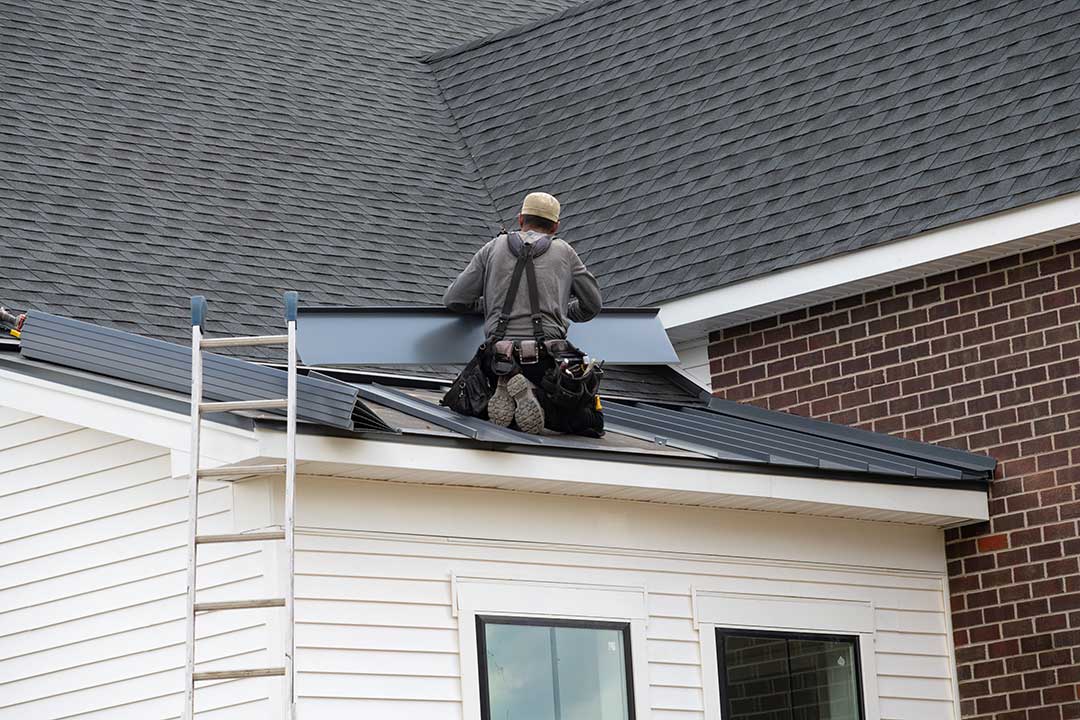
Never climb onto a snow-covered roof to remove snow. Footing is unpredictable, and hidden ice can cause a serious fall. Roof raking from the ground may be appropriate for some simple roof edges, but forceful scraping can damage shingles and protective layers. Metal tools should not be dragged across roofing materials.
If structural distress is suspected, keep people away from the affected area and seek qualified assistance promptly. Snow load can vary significantly between roof sections because of wind, dormers, valleys, additions, and nearby taller structures.
What should homeowners know about ice dams?
An ice dam is a ridge of ice that forms near the colder roof edge and prevents melting snow from draining normally. Water can then move beneath shingles and enter the roof assembly or upper walls.
Ice dams are more likely when the roof has uneven temperatures, insufficient air sealing, poor attic insulation, or restricted ventilation. They are not caused simply by cold weather alone.
Avoid chopping at an ice dam or using salt or other chemicals that may damage roofing, gutters, plants, or exterior finishes. Heated cables can be useful in specific situations, but they must be installed and operated according to manufacturer instructions. They do not correct the underlying attic or drainage issue.
After an ice event, check ceilings, upper walls, and attic areas for staining or dampness. Water entry may not appear directly below the place where it entered the roof.
How should chimneys, vents, and flashing be prepared?
Roof penetrations are common leak points because they interrupt the continuous surface of the roofing. Before winter, inspect flashing around chimneys, plumbing vents, skylights, and other openings for gaps, lifted edges, cracked sealant, or corrosion.
A chimney should also be checked for loose masonry, damaged mortar, or a missing or damaged cap. Moisture that enters masonry and freezes can expand and worsen cracks. Chimney and heating-system inspections should follow applicable safety requirements, especially when the home uses a fireplace, wood stove, or other solid-fuel appliance.
Plumbing vent openings should remain unobstructed. Snow, ice, or debris blocking a vent can interfere with plumbing drainage and contribute to sewer-gas problems inside the home.
What should be done about trees near the roof?
Trees that overhang a roof can drop branches during wind, heavy snow, or freezing rain. Branches also add leaves and needles to gutters, increasing the chance of blocked drainage.
Look for dead limbs, split branches, and limbs rubbing against the roof or siding. Trees near utility lines require extra caution. Do not attempt to remove large or unstable branches from a ladder or roof, particularly during wet, windy, or icy conditions.
In a community with established trees and mixed housing styles, roof preparation often includes observing the surrounding property, not just the shingles overhead. A nearby branch, drifting snow pattern, or blocked drainage path can affect roof performance throughout the season.
What emergency supplies are useful during winter?
A few basic supplies can make it easier to respond to a minor problem without taking unsafe action:
- Flashlights and fresh batteries
- A bucket or plastic container for an active interior drip
- Towels or absorbent materials
- A phone number for the electric utility and insurance carrier
- Photos of the roof and interior ceilings taken before winter
- A clearly marked location for the main water shutoff
- A safe way to monitor the attic after major storms
Do not patch an active roof leak from the exterior during freezing weather. Contain water indoors, move valuables away from the affected area, and document the location and timing of the leak. A temporary interior response is safer than walking on an icy roof.
When does a roof problem require prompt attention?
A roof issue deserves prompt attention when water is entering the home, the roof structure is visibly sagging, shingles or flashing have been displaced, or snow and ice are creating a safety hazard. Delaying an obvious problem until spring can allow moisture to damage insulation, ceilings, framing, and interior finishes.
Routine preparation does not require climbing onto the roof. Ground-level observation, attic checks, gutter maintenance, tree awareness, and safe monitoring after storms can address many common winter risks before they become urgent.
