

Why Does Roof Ventilation Matter for Homes in Macedon, NY?
Proper roof ventilation is essential for preserving the structure and comfort of homes in Macedon, NY. It helps control heat, moisture, and air movement, which can impact everything from roof lifespan to indoor air quality. In a climate like Macedon’s, with warm summers and snowy, cold winters, balanced attic airflow is not just an extra—it's a fundamental building need.
Common questions from residents center on preventing ice dams, mold, and unexplained heating or cooling bills. Many homeowners do not realize how much the health of a roof relies on subtle air exchanges happening year-round just above their living spaces.
How Does Roof Ventilation Work?
Roof ventilation allows outside air to enter and exit the attic space, typically through a combination of intake vents (often located at the eaves or soffits) and exhaust vents (at or near the roof’s peak). This movement regulates temperature and moisture.
Without proper airflow, warm, moist air from the house can get trapped in the attic. In Macedon, where winter snow loads and humid summers are common, trapped moisture can quickly turn into bigger issues like condensation, wood rot, or mold.
What Problems Can Poor Ventilation Cause?
Insufficient roof ventilation puts home comfort and durability at risk—sometimes in less obvious ways.
- Ice Dams: When attic heat escapes and warms the underside of the roof, snow begins to melt and can refreeze at the eaves. This creates ice dams, which prevent proper drainage and can lead to water seeping under shingles. Macedon residents typically see this after heavy snowfall followed by frigid nights.
- Accelerated Roof Aging: Excess heat in summer or moisture accumulation year-round can cause roofing materials to degrade faster, leading to more frequent repairs or even premature replacement.
- Moisture Problems: Moist environments in the attic—especially high humidity or condensation—support mold and mildew growth. Left unchecked, this can compromise wood framing or insulation, create health issues, and reduce energy efficiency.
- Increased Energy Costs: Poor airflow means attics can overheat in summer or stay colder than necessary in winter, making heating and cooling equipment work harder for longer periods.
How Much Ventilation Is Needed?
Every home is different, but a common guideline is to have at least 1 square foot of net free vent area (NFVA) for every 300 square feet of attic space, evenly split between intake and exhaust vents. This ensures that air flows smoothly and consistently.
Factors that influence the right amount for homes in Macedon include:
- Attic size and volume
- Roof design and slope
- Amount of existing insulation
- Household habits that affect moisture (such as laundry and bathing)
Older homes in the community may have outdated or blocked vents. During renovations, it’s wise to assess the attic and roof for both visible vents and hidden barriers, such as paint-sealed soffits or insulation stuffed too tightly against roof decking.
What Are Common Vent Types in Local Homes?
Most homes use a combination:
- Ridge Vents: Run along the peak of the roof, blending with shingles and allowing air to escape near the highest point.
- Soffit or Eave Vents: Located under the roof’s edge to help bring in cool air from outside.
- Gable Vents: Found on the end walls of some attics, supporting cross-ventilation.
Choosing which to use depends largely on roof shape, age of the home, and available attic access. Residents should note that more vents are not always better—balance between intake and exhaust is critical, otherwise air may not circulate as intended.
Which Building Codes or Standards Apply Locally?
Homes in the city must follow the New York State Building Code, which outlines minimum requirements for attic ventilation in both new construction and major renovations. This includes standards for vent size, location, and winter weather considerations.
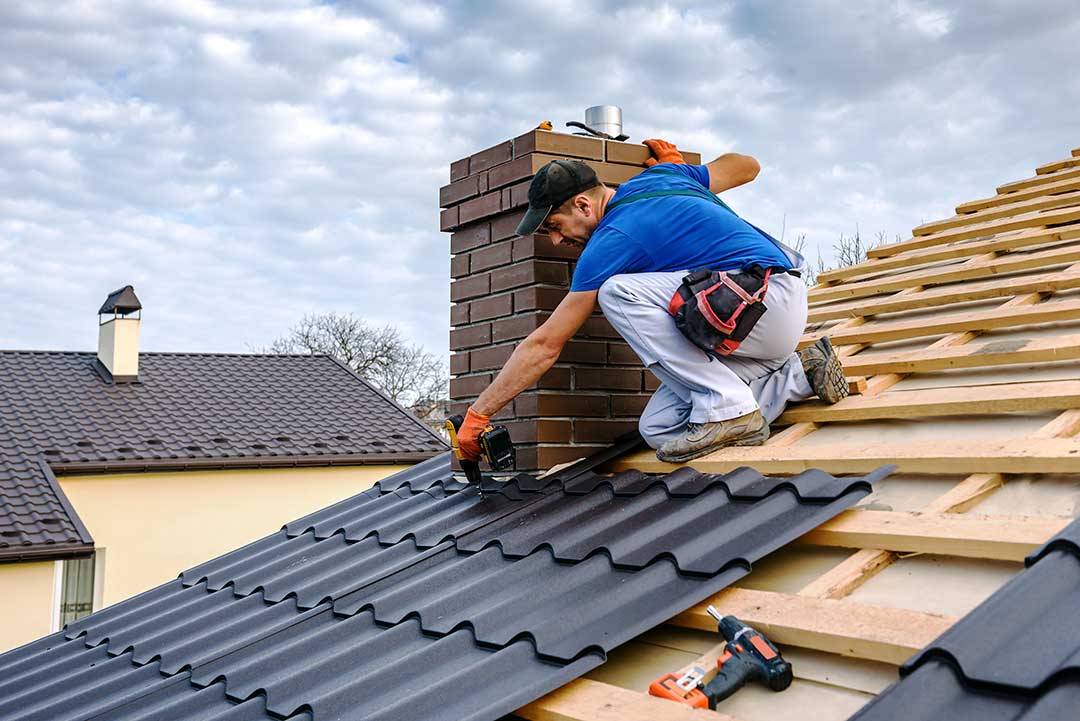
Local building inspectors may check for proper attic venting during home sales or remodel permitting. Failing to comply with these rules can make passing code inspections difficult and may even affect home insurance in rare cases.
What Are Signs of Ventilation Problems?
Recognizing poor roof ventilation is not always as simple as spotting a leak. Macedon homeowners often notice issues such as:
- Persistent icicles on roof edges after snowfall
- Musty smells in upstairs rooms or attic spaces
- Unusually high heating or cooling bills without changes in thermostat settings
- Visible mold or water stains on attic wood or insulation
- Roof shingles that curl, crack, or lose granules prematurely
These issues can stem from many causes, but ventilation is a frequent and fixable component.
What Are Some Misconceptions About Roof Ventilation?
Several myths can get in the way of making the best choices for local homes:
- "Extra vents always improve airflow." In reality, poorly placed or excessive vents can disrupt air movement and may invite wind-driven rain or snow indoors.
- "Metal roofs don’t need ventilation." All roofing types benefit from proper airflow underneath, including metal installations.
- "Roof vents are just for summer." Year-round moisture control is critical in climates like Macedon’s with cold, snowy winters.
How Can Residents Check or Improve Roof Ventilation?
Residents can start with a visual inspection: Look for open, unobstructed soffit and ridge vents, signs of attic dampness, and insulation that does not cover vent openings. Monitoring attic temperatures during hot days (should not exceed outdoor temperature by more than 10-20 degrees) can also be revealing.
For older homes, especially those built before the 1980s, attic airflow is a common area needing improvement during roof or insulation upgrades.
In Macedon, checking for proper insulation placement is just as important as the vent count—ensure insulation does not block eave or soffit openings.
